Scaling Prototyping Capability with AI-Led Design Tooling
Giving Leadership Working, Code-Backed Prototypes to Review Asynchronously • Multi-Brand Systems Architecture
Leadership review of complex design work traditionally relied on static mockups and scheduled calendar walkthroughs. That process was slow, synchronous, and detached from how the product actually feels in a user's hand. I led a small, AI-augmented design technology team to eliminate this bottleneck: we built a repeatable prototyping engine where designers translate design intent into interactive, on-brand prototypes, publish them to always-on showcase hubs, and collect contextual feedback asynchronously without booking a meeting.
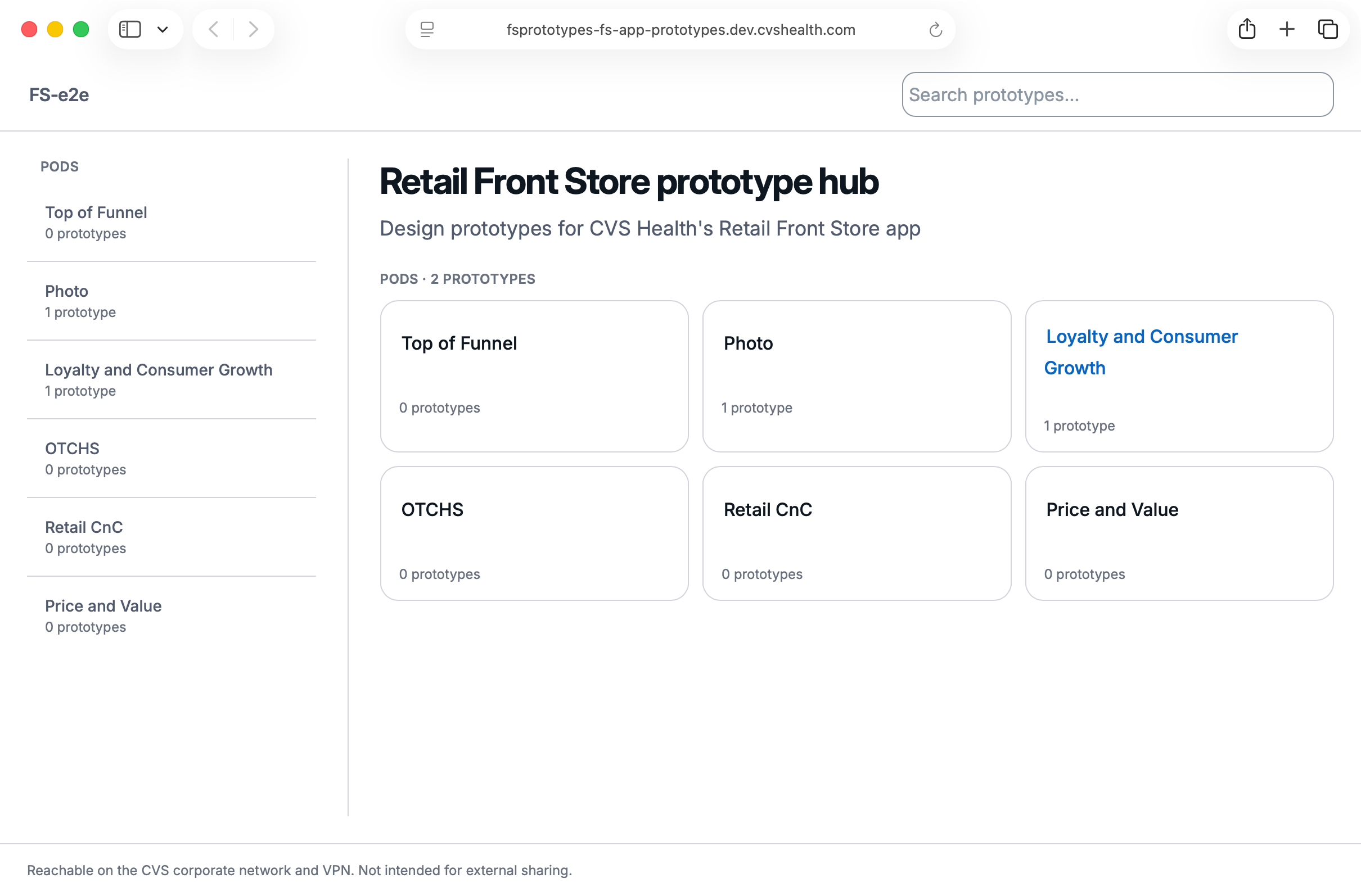
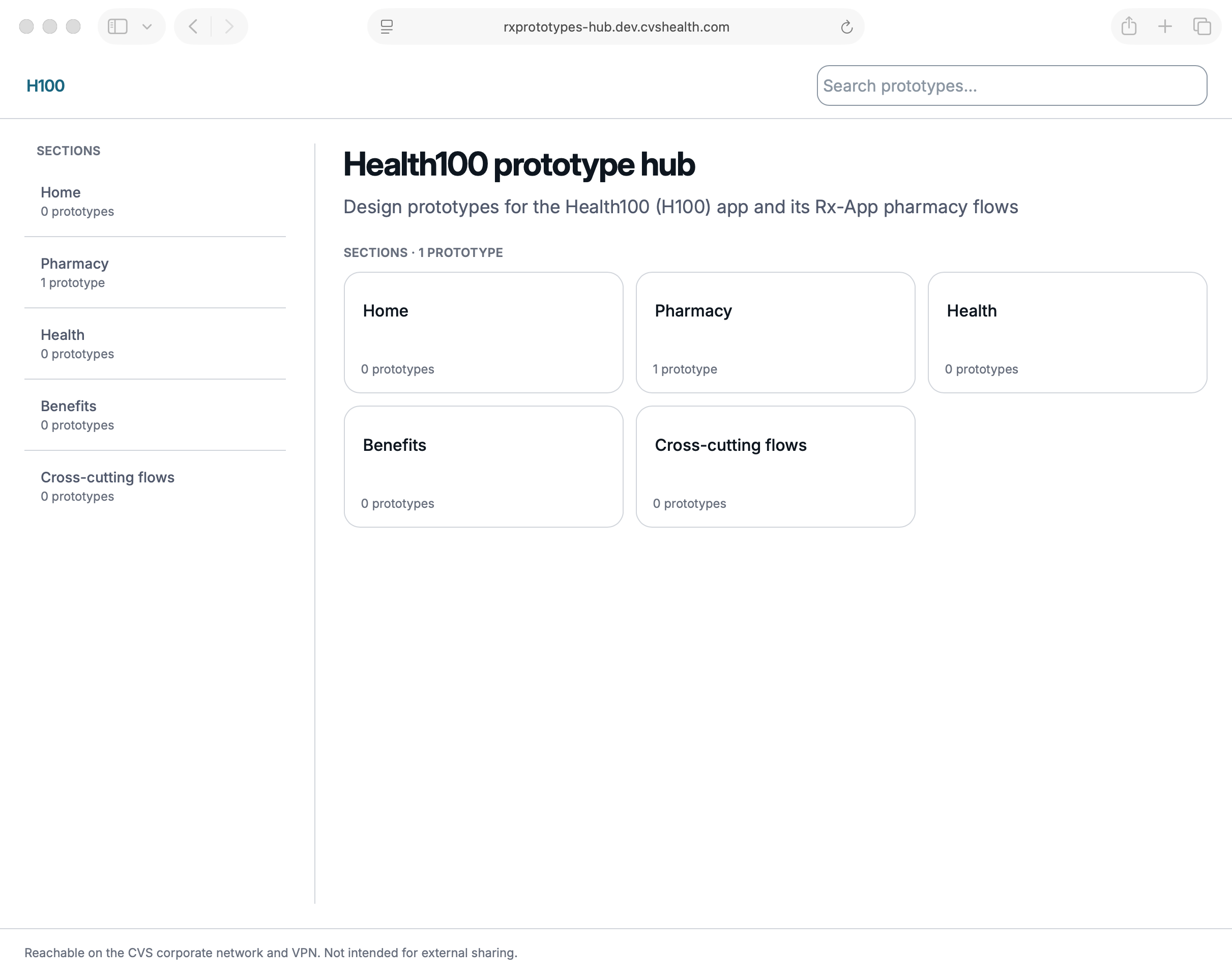
1. The Problem: The Executive Review Bottleneck
Across our enterprise digital organization, prototyping velocity was failing to keep pace with how quickly executive leadership needed to weigh in on strategic direction. The issue was not idea generation; it was the friction required to get a real, working artifact in front of decision-makers without:
- Waiting weeks on production engineering capacity to stand up throwaway proof-of-concept builds.
- Forcing busy VPs and Directors into synchronous calendar meetings just to gather initial reactions.
- Losing crucial interaction fidelity and motion logic during the handoff from concept to click-dummy.
Leadership needed the ability to review concepts asynchronously and at enterprise scale: open a live link on their own schedule, interact with software that genuinely behaves like the shipped product, and leave precise, in-context feedback without a meeting on anyone's calendar.
2. My Role: Leading with AI Execution
I led the initiative and treated modern generative AI not as a superficial drafting assistant, but as the primary execution layer for our implementation pipeline. System architecture, component scaffolding, automated test suites, and iteration loops were AI-orchestrated under my direct oversight and design judgment.
This division of labor allowed our team to focus purely on craft, interaction ergonomics, and strategic trade-offs rather than plumbing. Crucially, I made the key architectural decisions around brand boundaries, automated governance, and review ergonomics; the AI-augmented build loop gave us the leverage to execute those decisions in days rather than quarters.
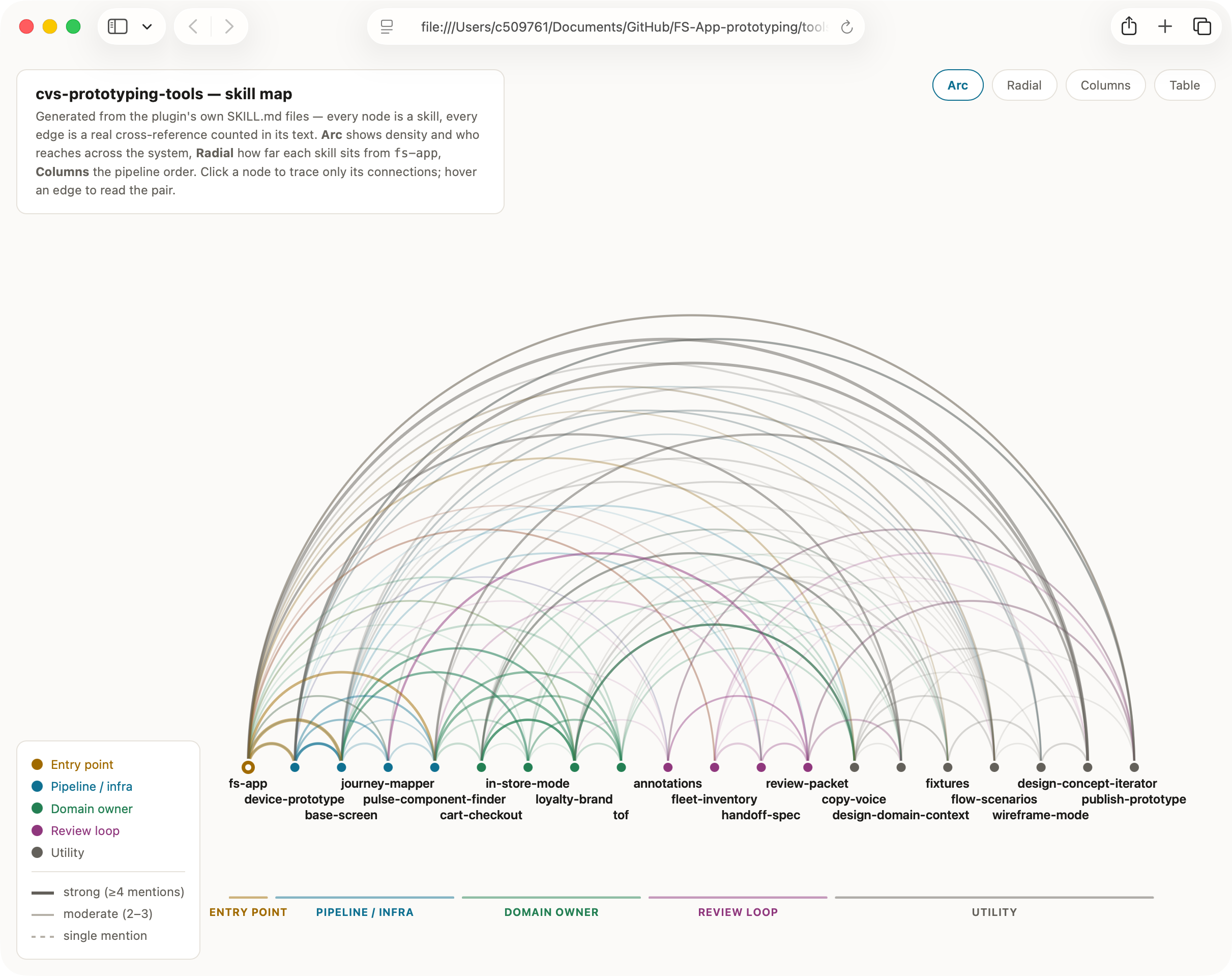
System Capability Network: Real cross-references between purpose-built AI tools across generation, verification, publishing, and review.
3. Approach & Technical Architecture
A. Prototypes That Behave Like Shipped Software
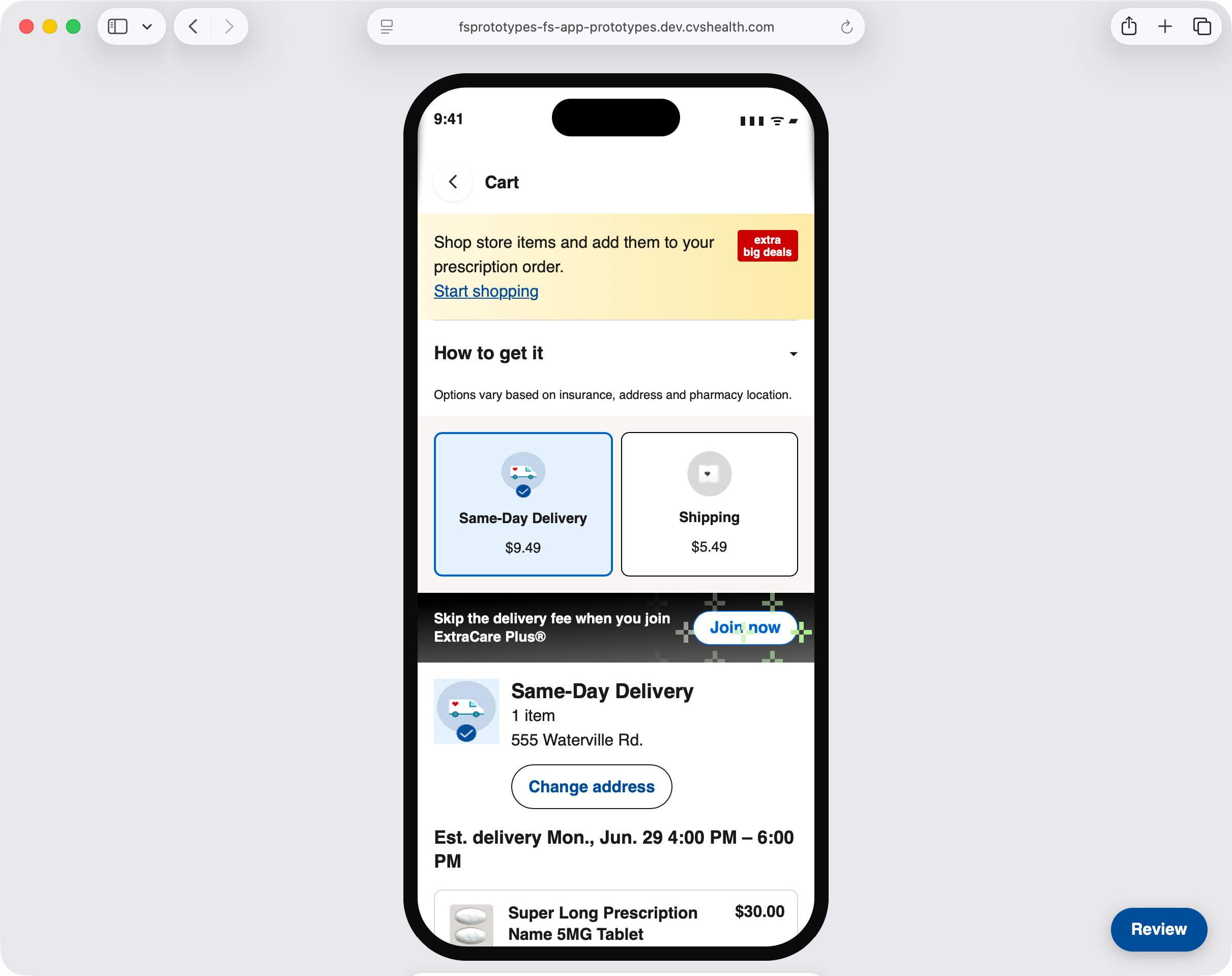
Our core standard was simple: designers describe intent, and the engine produces an interactive, token-accurate prototype. Rather than a static clickable picture, stakeholders receive responsive software that navigates, transitions, and handles state changes identically to native code. That interactive fidelity is what makes asynchronous review effective; stakeholders cannot evaluate subtle micro-interactions or cognitive load from flat wireframes.
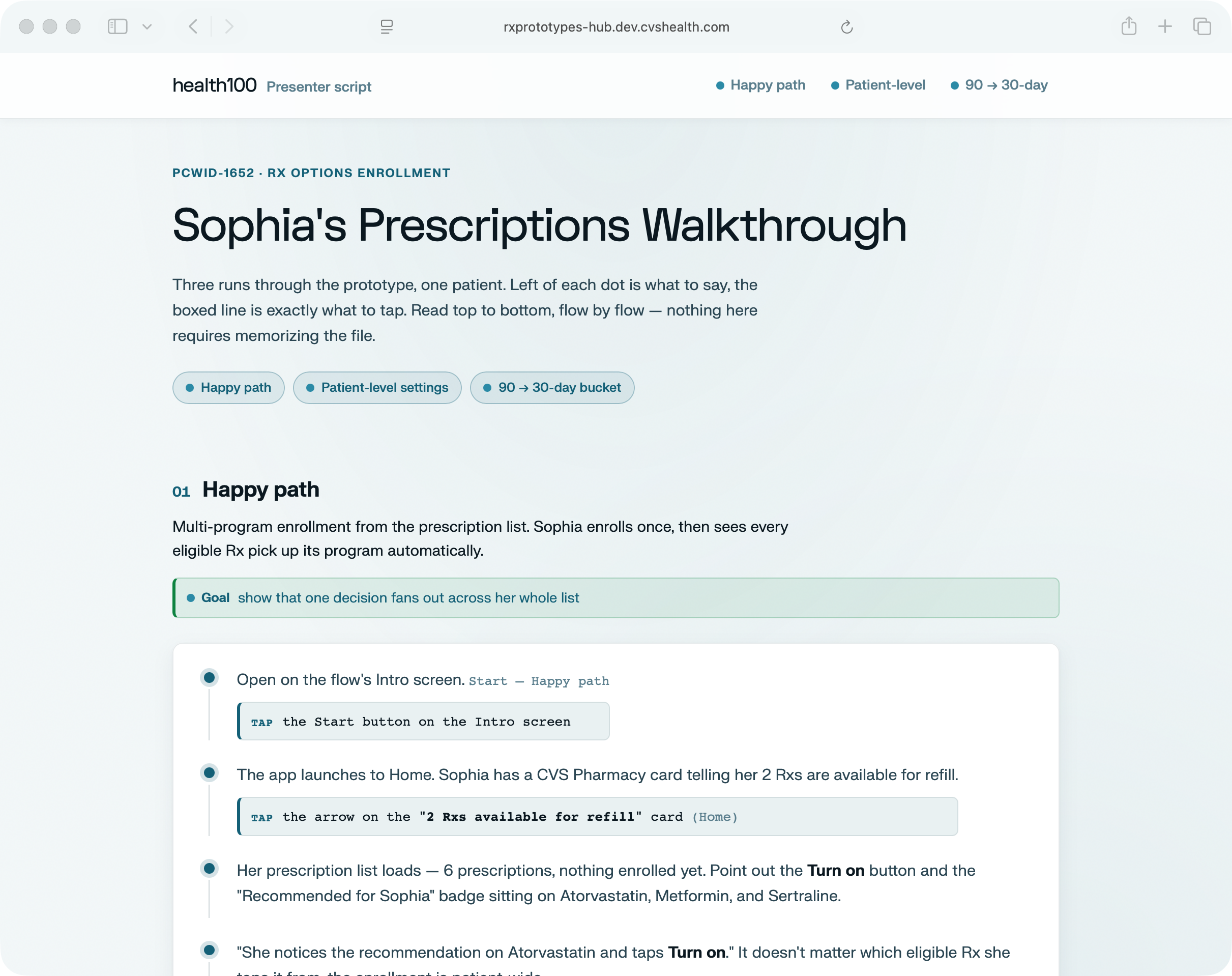
B. Multi-Brand Governance: Resisting the False Compromise
The ultimate test of this capability arrived when we expanded from our core retail app to a second, structurally different product line: Health100 (Rx App). Health100 featured a distinct visual identity, strict clinical compliance requirements, and an embedded AI health assistant.
The conventional corporate impulse would have been to force both brands into a single homogenized component system to "avoid duplication." I made the deliberate leadership call to reject that approach. Forcing a shared UI system would have caused subtle brand drift and compromised the healthcare experience.
Instead, I architected a bifurcated foundation: each brand maintains complete autonomy over its design tokens, components, and interaction schemas, while sharing the underlying, brand-neutral engine underneath (headless state machines, verification gates, and preview servers). This strategic judgment prevented cross-brand pollution while preserving 100% operational reuse.
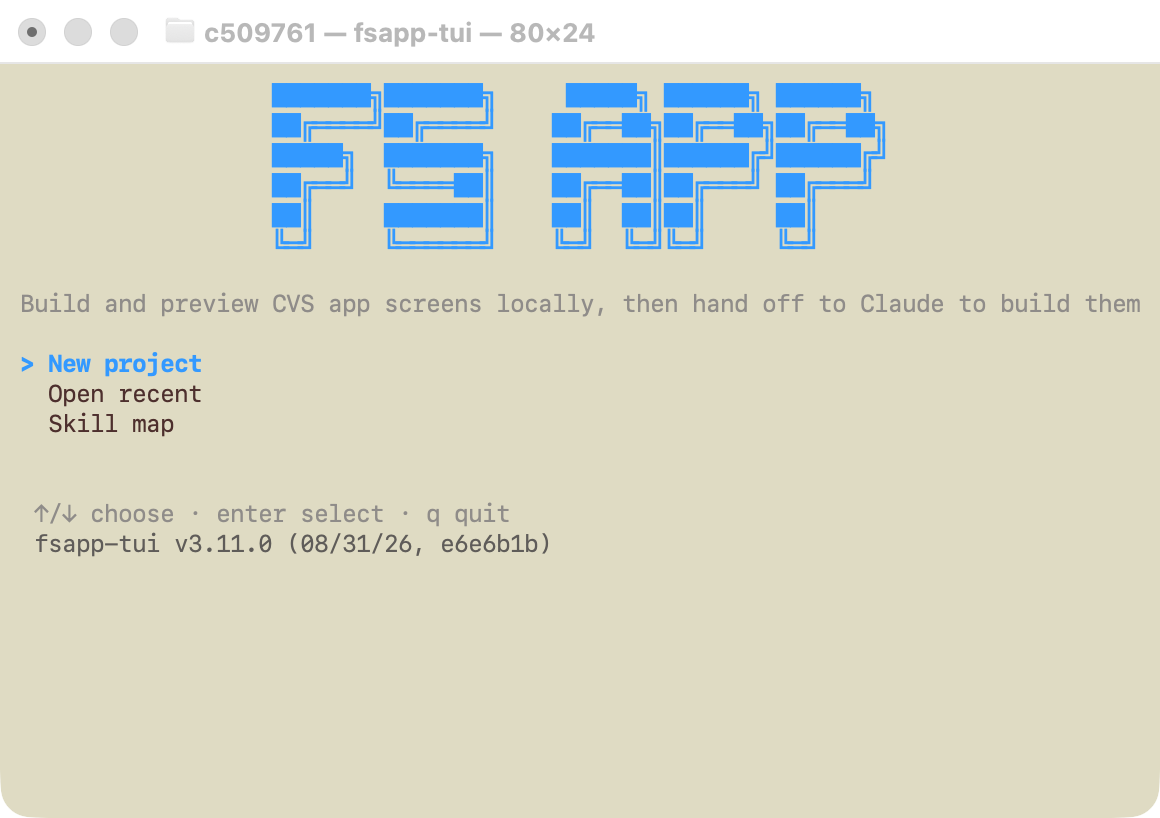
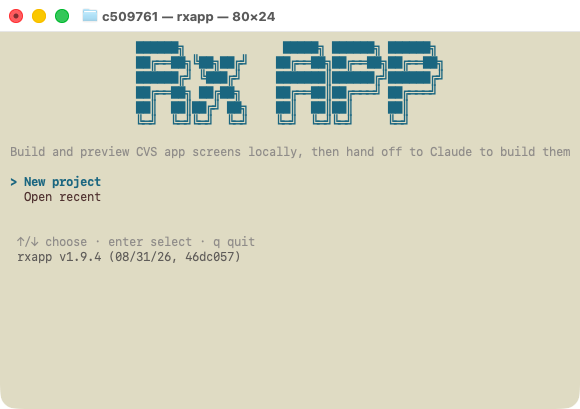
4. Automated Trust: Quality Gates & Heuristic Audits
Because prototypes went directly to executive leadership, platform reliability was paramount. We embedded automated validation gates into the publishing pipeline (including structural linting, token compliance, and visual regression checks) so that every published link worked reliably without manual QA bottlenecks.
To elevate design craft at scale, we engineered an automated Heuristics Evaluation Engine. The system evaluates concepts against an established usability rubric and generates a leadership-ready scorecard complete with rationale and evidence across every category.
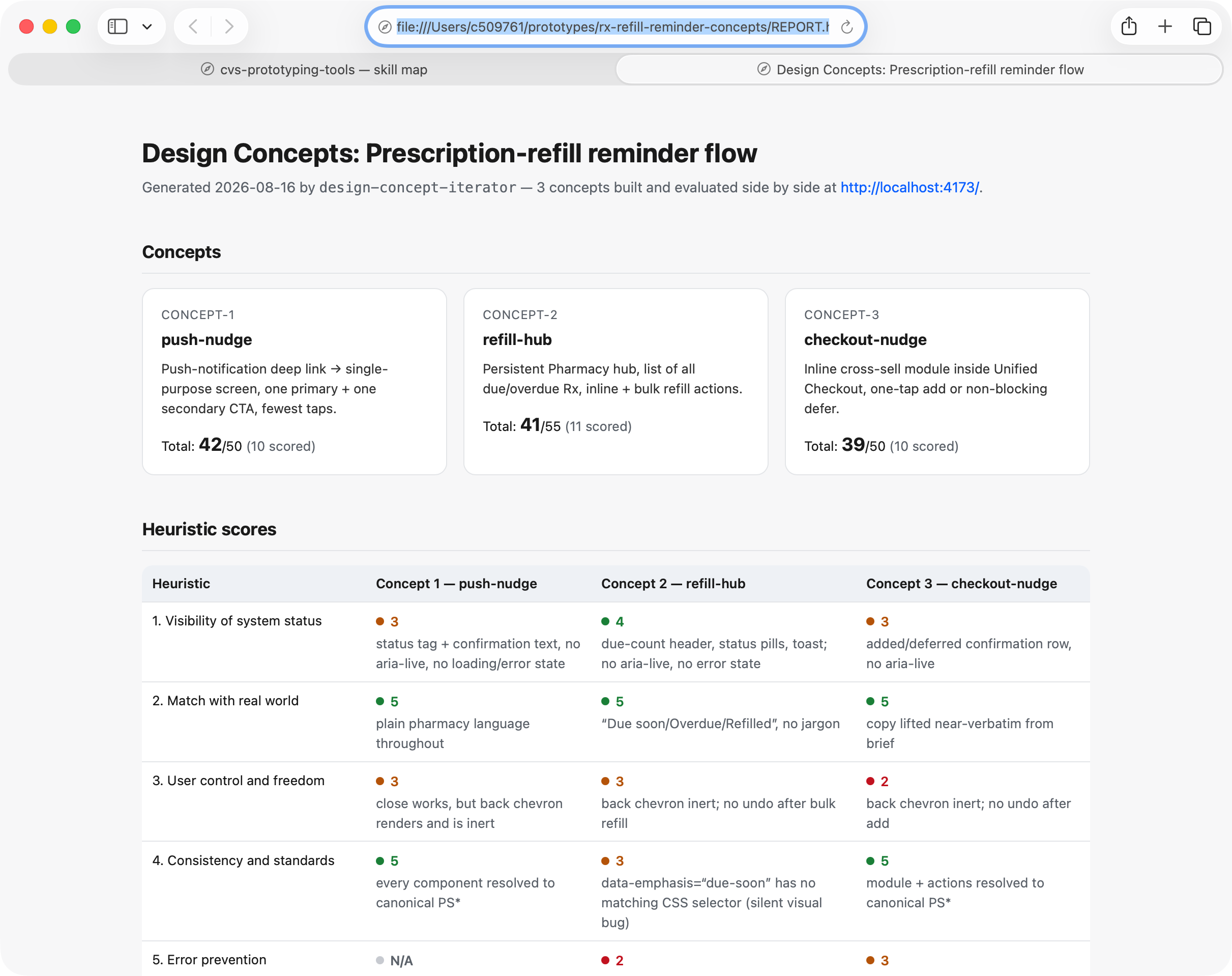
Automated Heuristic Audit: Three concepts for the same flow evaluated objectively against standardized usability criteria.
5. Closing the Asynchronous Feedback Loop
Solving the review bottleneck required redesigning both the artifact and the review workflow:
- Structured Decision Hand-off Packets: Before opening a prototype, leadership reviews a succinct briefing card establishing specific decision points, out-of-scope boundaries, and underlying trade-offs to keep discussions focused on strategic priorities.
- In-Context Screen Annotations: Reviewers drop pin-point comments directly onto specific prototype screens. Feedback routes automatically into active Slack channels and Jira trackers without forcing executives to learn a separate tool.
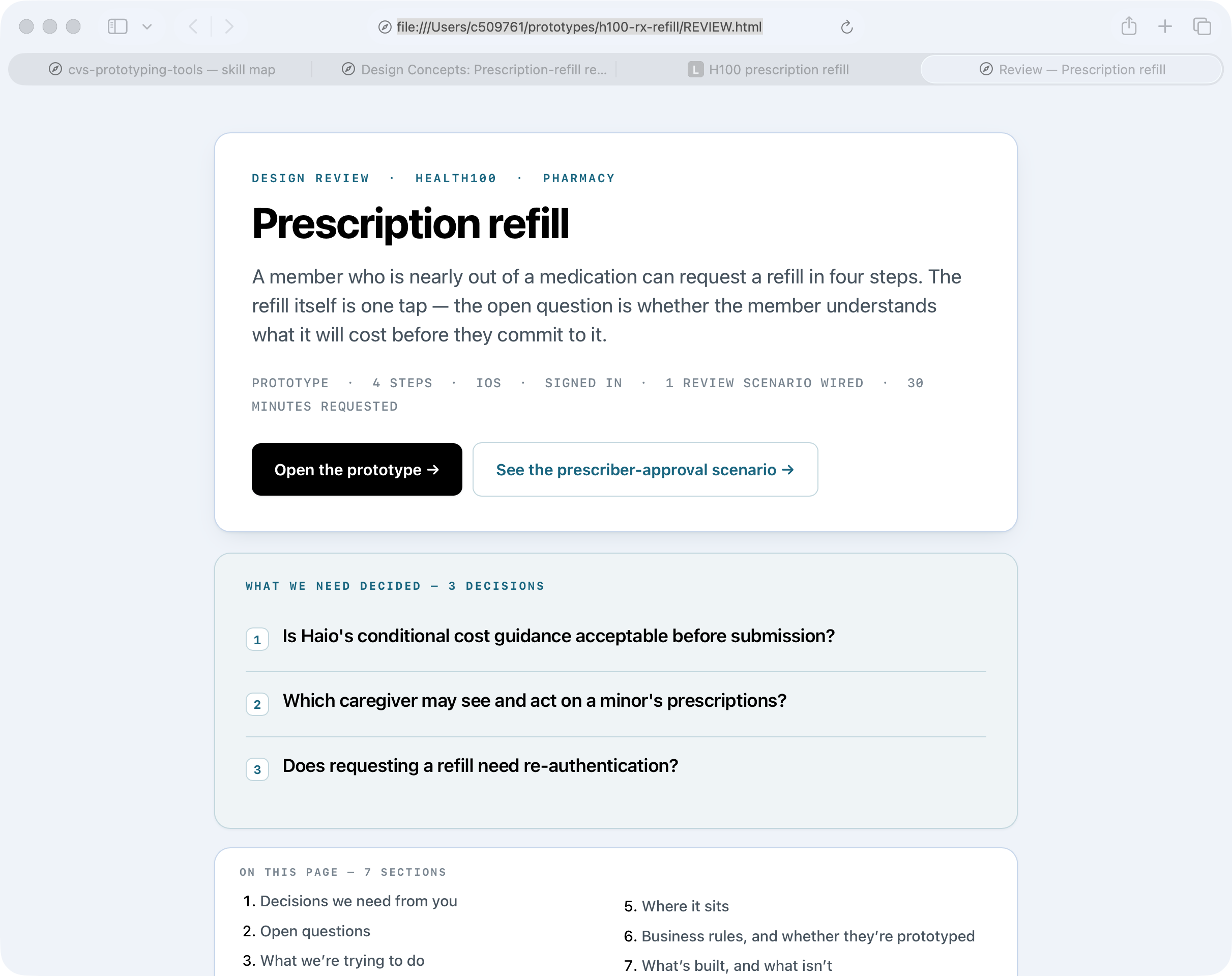
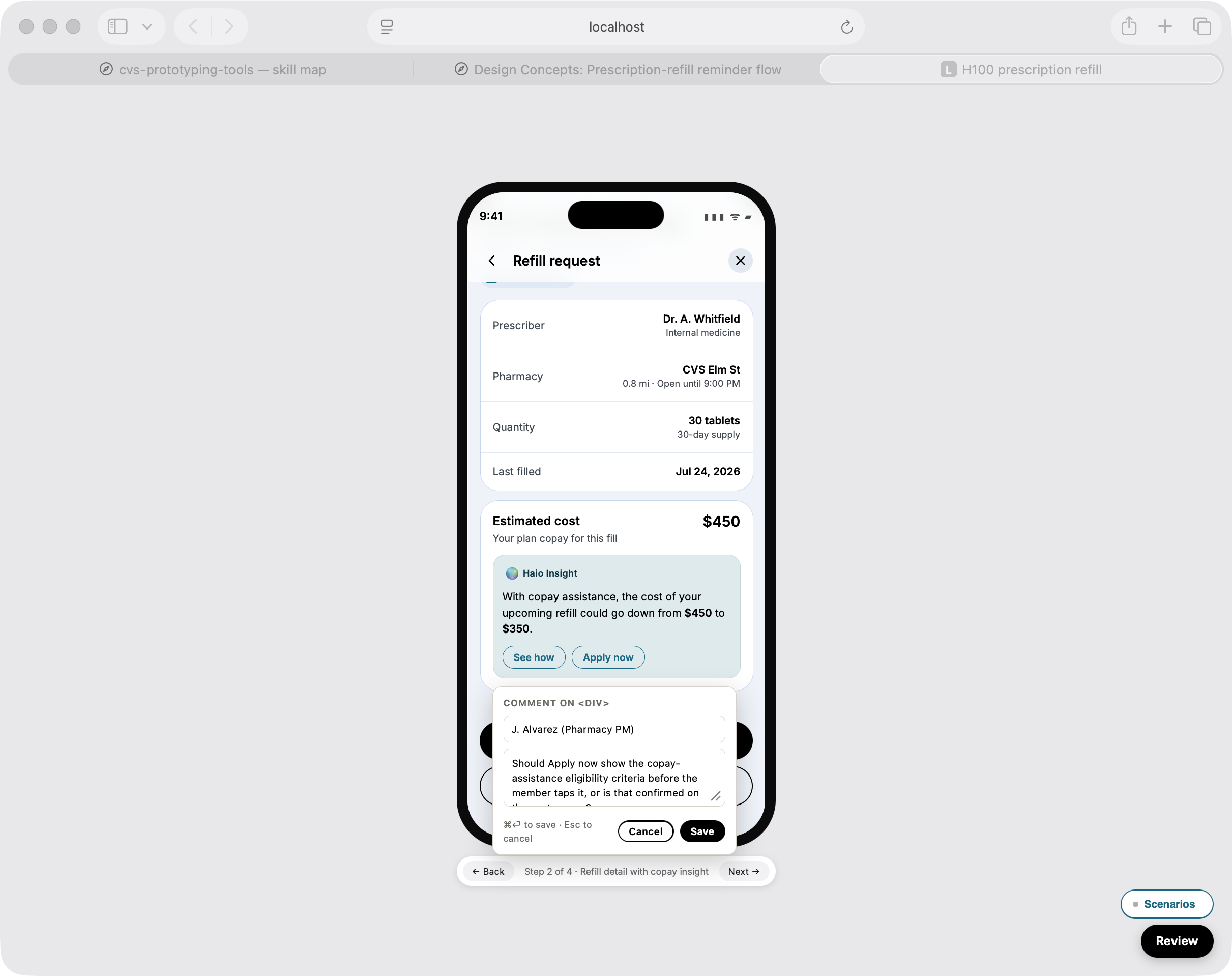
Quantified Business & Operational Impact
Leadership Retrospective
- Fidelity is the Catalyst for Asynchronous Alignment: You cannot ask executives to evaluate complex products asynchronously using static mocks; they lack the tactile reality needed for confident decision-making. High-fidelity, code-backed prototypes eliminate the need for an explanatory meeting.
- Architectural Judgment Separates AI Hype from Enterprise Reality: AI can rapidly generate components, but it cannot make strategic system-boundary decisions. Knowing when to decouple Health100 from Retail Front Store was an essential human judgment that protected both brand integrity and velocity.
- Frictionless Feedback Belongs in Existing Ecosystems: Forcing stakeholders into new review portals guarantees drop-off. Capturing comments directly on the prototype and broadcasting them to existing Slack and project channels kept review velocity high.